
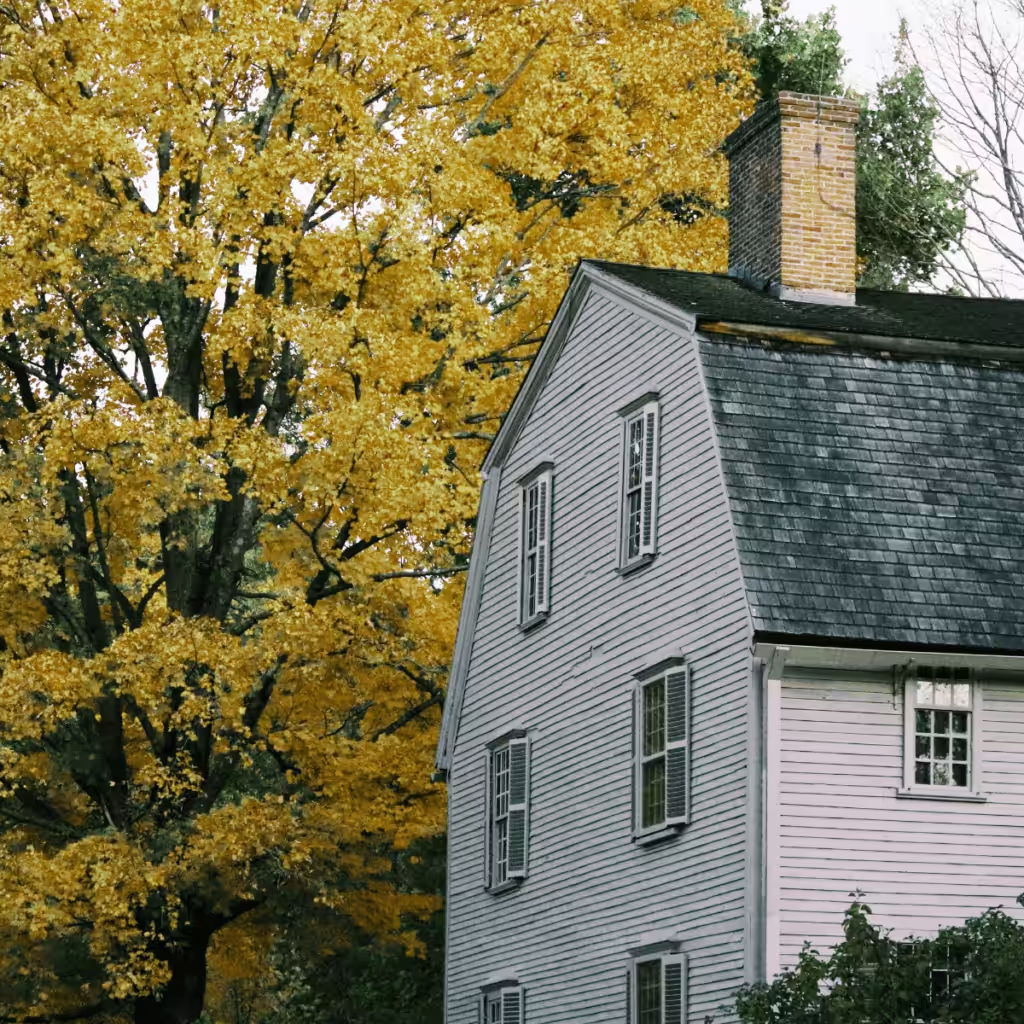
As the leaves begin to change and temperatures start to drop, the fall season marks the perfect time to prepare your home for the colder months ahead. Taking a few preventive steps now can save you from costly damage later and keep your homeowners insurance from being put to the test. Here’s are a few things you can do to get your home ready for the upcoming season and why it matters for your coverage.
1. Inspect Your Roof and Gutters
Your roof takes the brunt of fall and winter weather, from heavy rains to early snow. Before the first frost, check for loose or missing shingles and clear your gutters of leaves and debris. Clogged gutters can cause water to back up and seep into your roof or siding leading to interior water damage, something that is often not covered if it results simply from a lack of maintenance on the homeowner’s end.
Tip: Regular upkeep helps prevent claims being denied for “wear and tear” or neglect. Document any repairs or inspections when they occur to show your insurer that you are proactive about maintenance.
2. Seal Windows and Doors
Drafty windows and doors not only make your home colder, but can also lead to frozen pipes and higher heating bills. Inspect seals and weatherstripping, and replace any that are cracked or worn. Caulking gaps around window frames is a simple fix that can prevent heat loss and moisture intrusion.
Tip: Proper sealing helps reduce the risk of water damage and mold, two costly issues that may not always be fully covered under standard homeowners insurance policies.
3. Service Your Heating System
Before you switch on your furnace for the season, have it professionally inspected and cleaned. A malfunctioning furnace or chimney buildup can pose serious fire hazards.
Tip: Many house fires occur during fall and winter and stem from heating system issues. Routine maintenance can prevent claims and may even qualify you for insurance discounts with some carriers.
4. Protect Your Pipes
As temperatures drop, frozen pipes become a real risk, especially in basements, attics, and exterior walls. Insulate exposed pipes and keep your thermostat set to a consistent temperature, even when you are not at your home.
Tip: While homeowners insurance may cover the damage from a burst pipe, it will not cover the cost of replacing the pipe itself if the freezing occurred due to lack of maintenance.
5. Check Smoke and Carbon Monoxide Detectors
With fireplaces, candles, and space heaters in use, the risk of fire and carbon monoxide exposure increases in the colder months. Test smoke and carbon monoxide detectors and replace batteries at the start of every season.
Tip: Up to date smoke and carbon monoxide detectors not only protect your family, but can also help reduce fire damage and ensure a smoother claims process if an incident occurs.
6. Review Your Homeowners Insurance Policy
Fall is also a great time to review your homeowners insurance policy. Do you have enough coverage for your home’s current value? Have you made upgrades or renovations that should be added to your policy? Reviewing your coverage ensures you are protected if winter weather or unforeseen events cause damage.
Preparing your home for fall isn’t just about comfort—it’s about prevention and protection. A well-maintained home is less likely to suffer damage, and that means fewer surprises for both you and your insurance.
If you are unsure whether your policy covers common fall and winter hazards like water damage or roof leaks, contact your independent insurance agent. They can review your coverage and help ensure you are fully protected before the first frost hits.